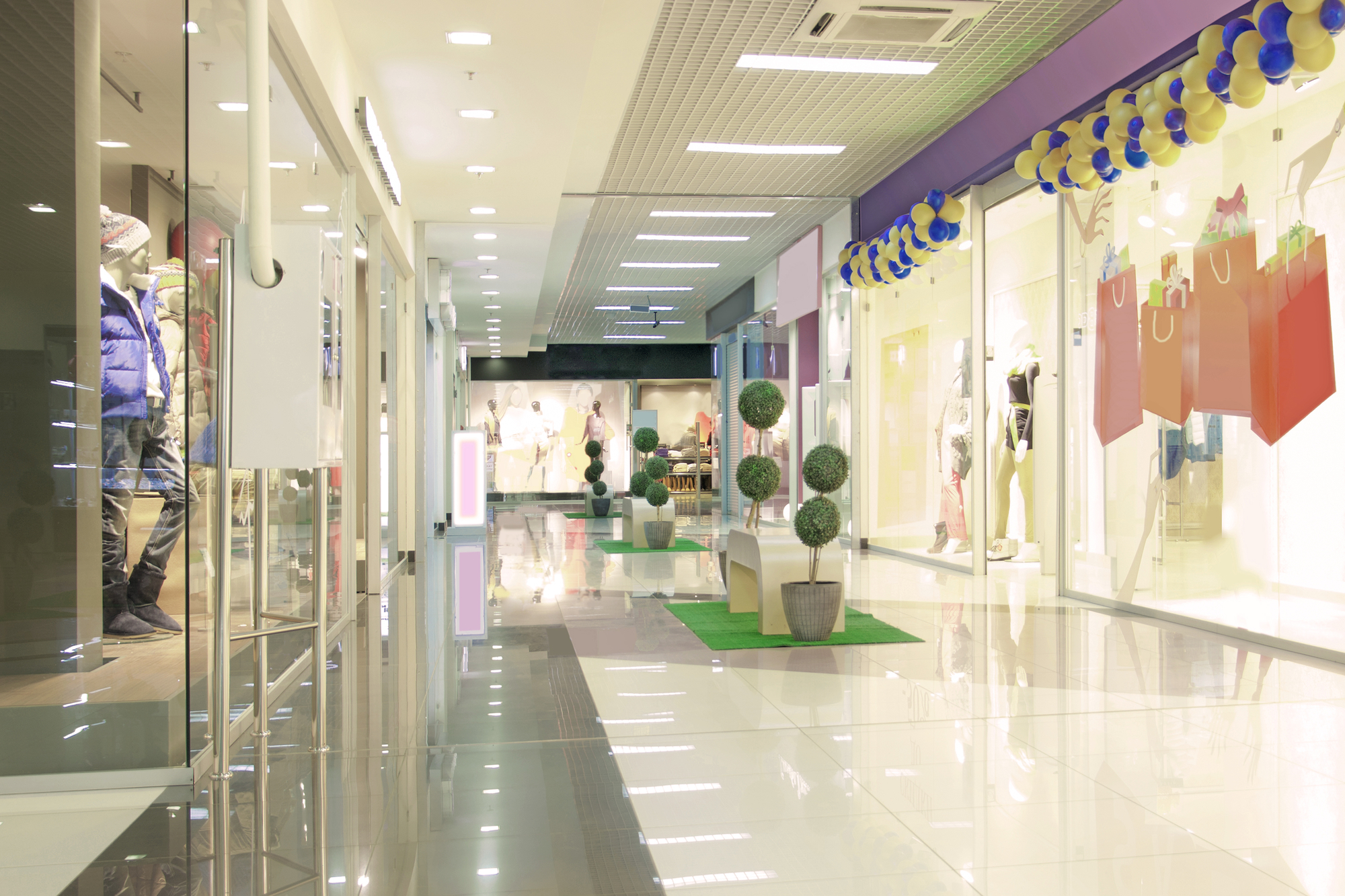
Shopping malls have always been more than just places to buy things. They are community hubs where people gather, explore, and spend time together. However, as shopping habits shift and competition grows, many malls are finding that a fresh look and a smarter layout can make a big difference in how many people walk through their doors. A well-planned renovation is one of the most effective ways to give a shopping center a new life, and the results can be felt almost immediately.
Whether you manage a large retail center or a smaller commercial property, understanding what kinds of upgrades matter most can help you make the right decisions. This article walks through the key renovation areas that have proven to bring more shoppers in and keep them coming back.
Flooring That Makes a First Impression
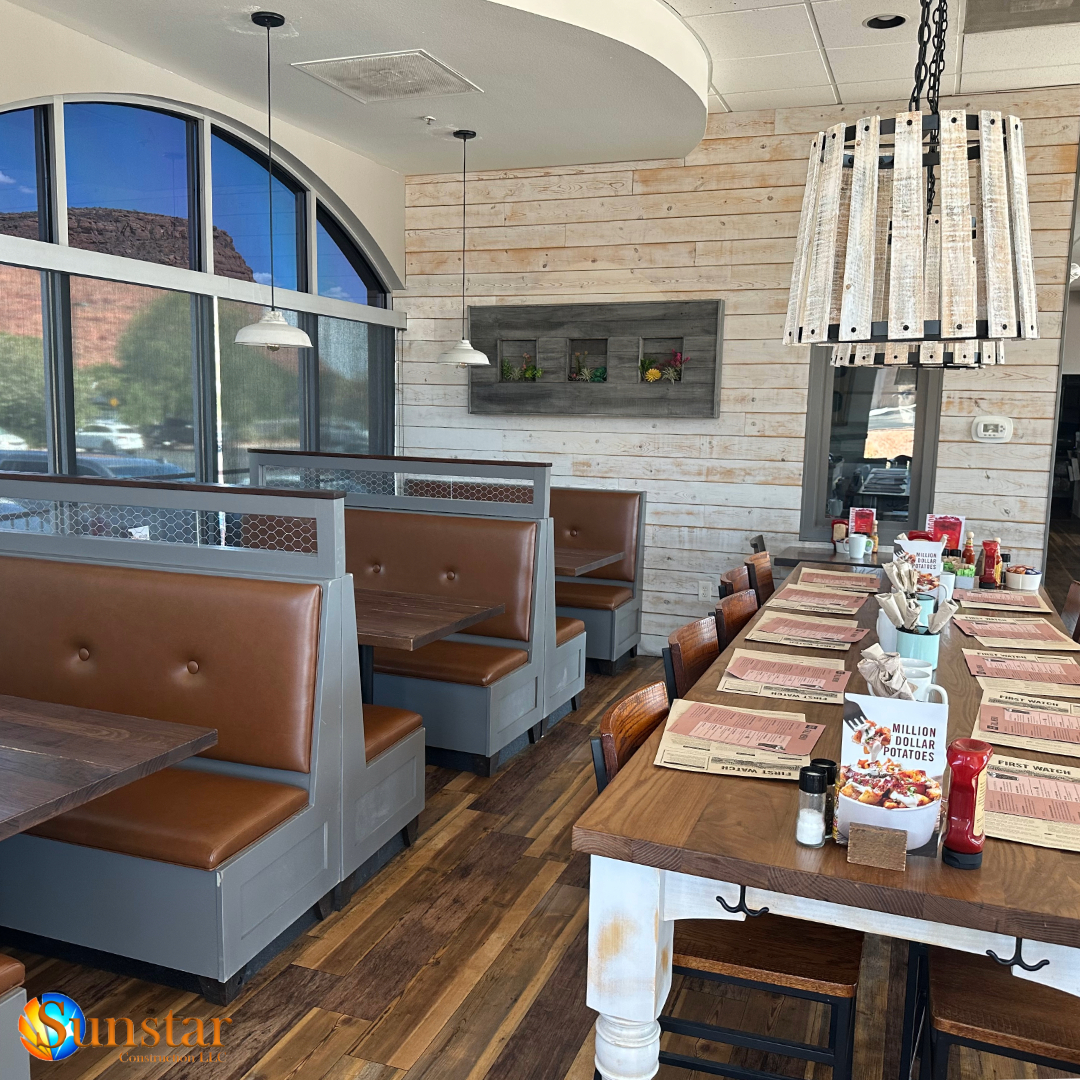
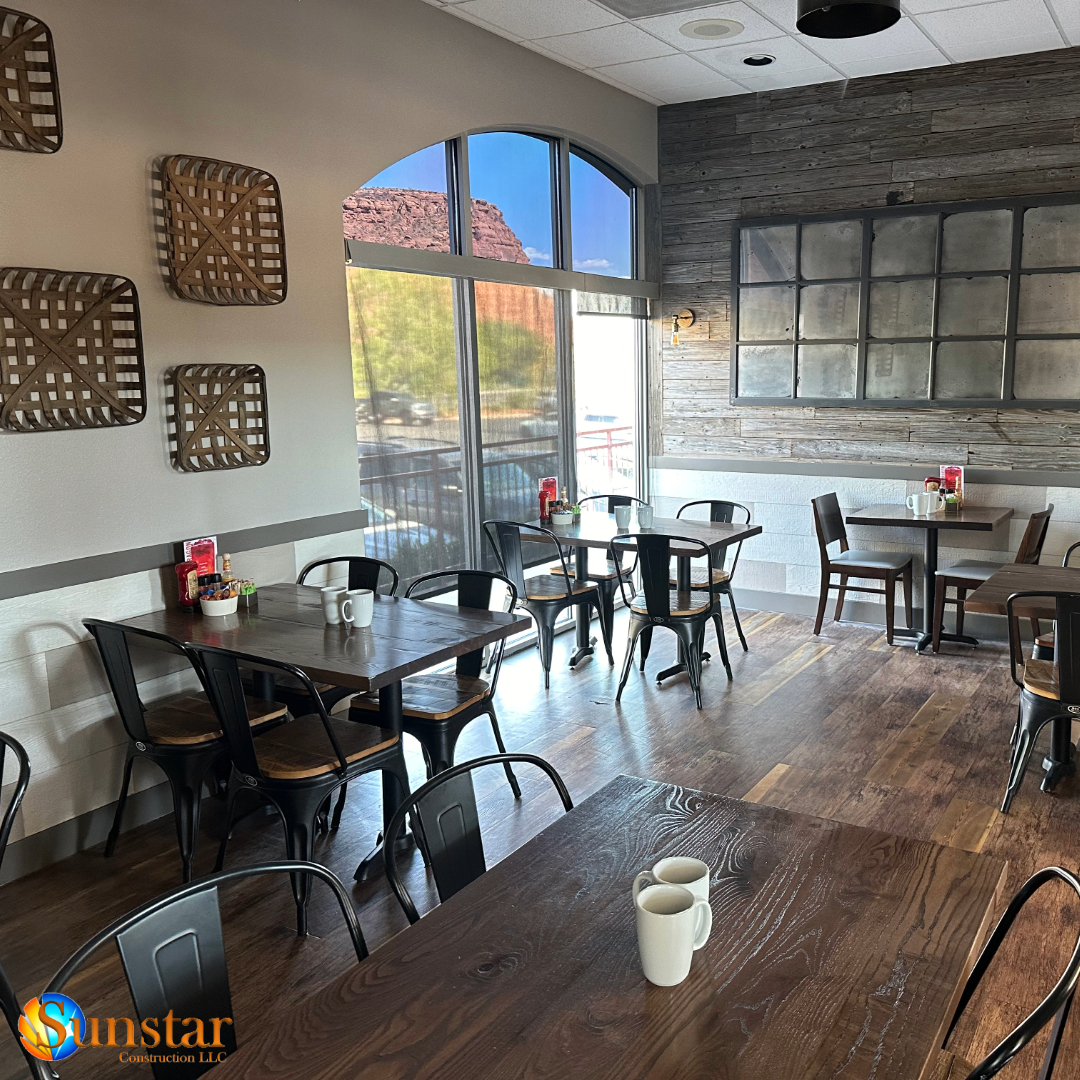
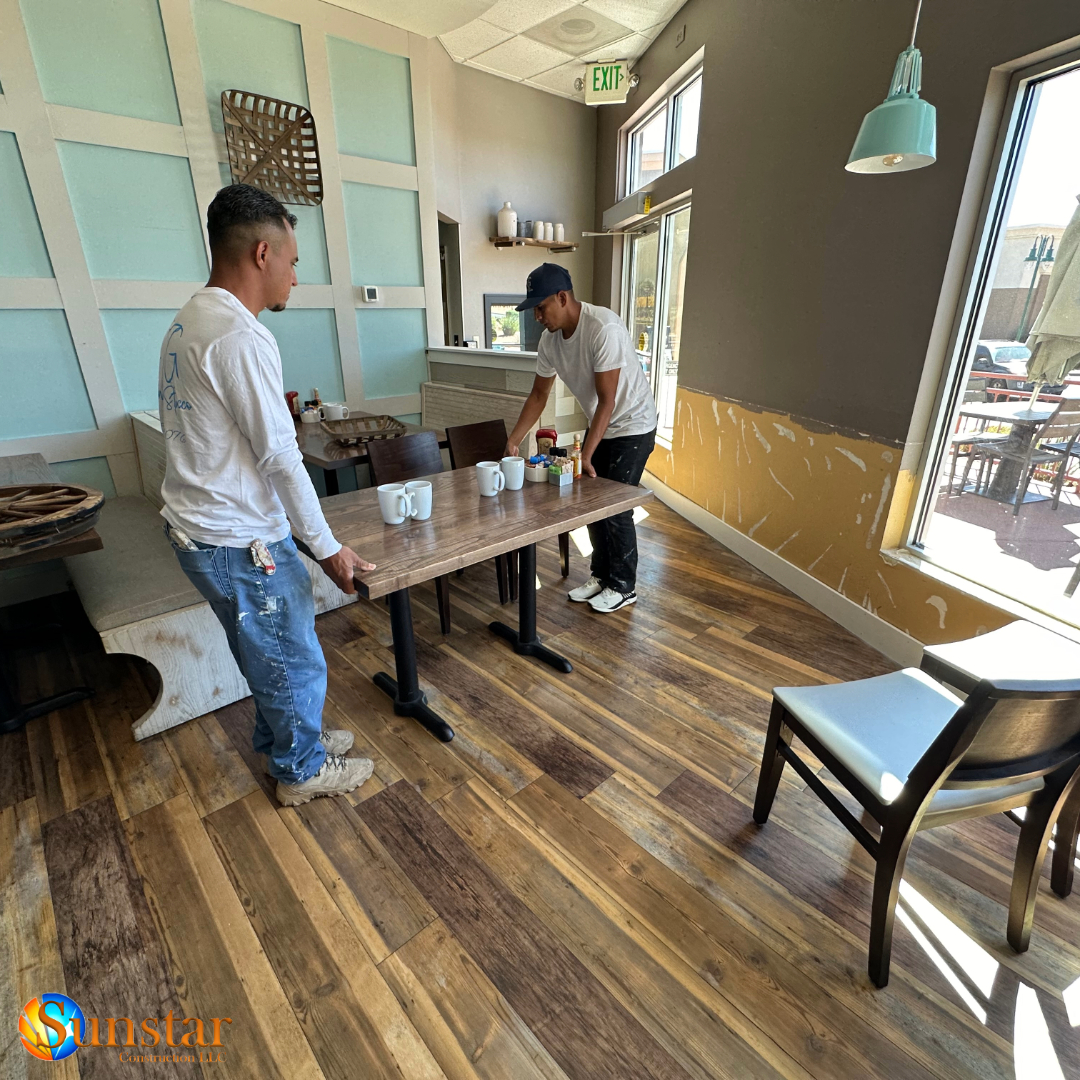
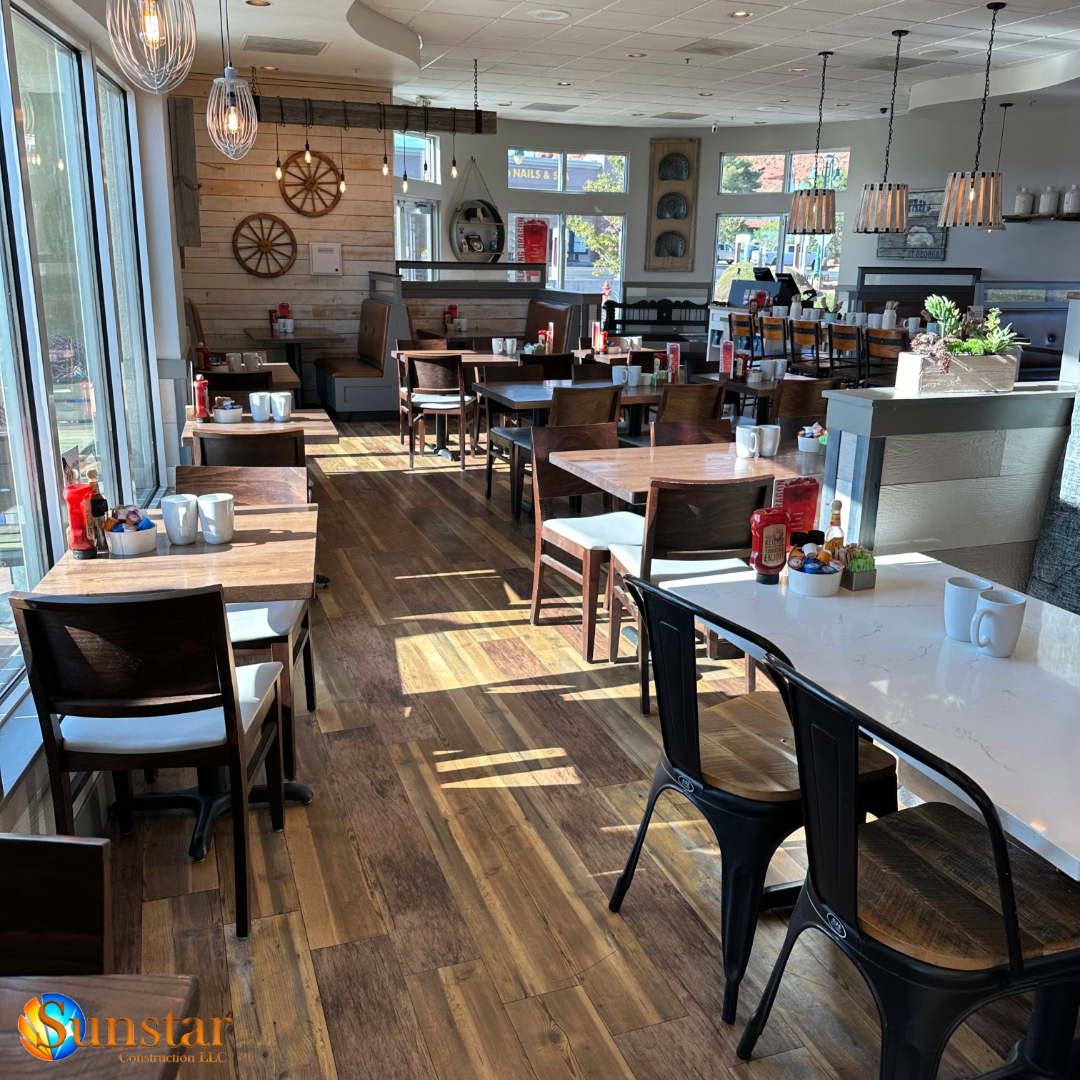
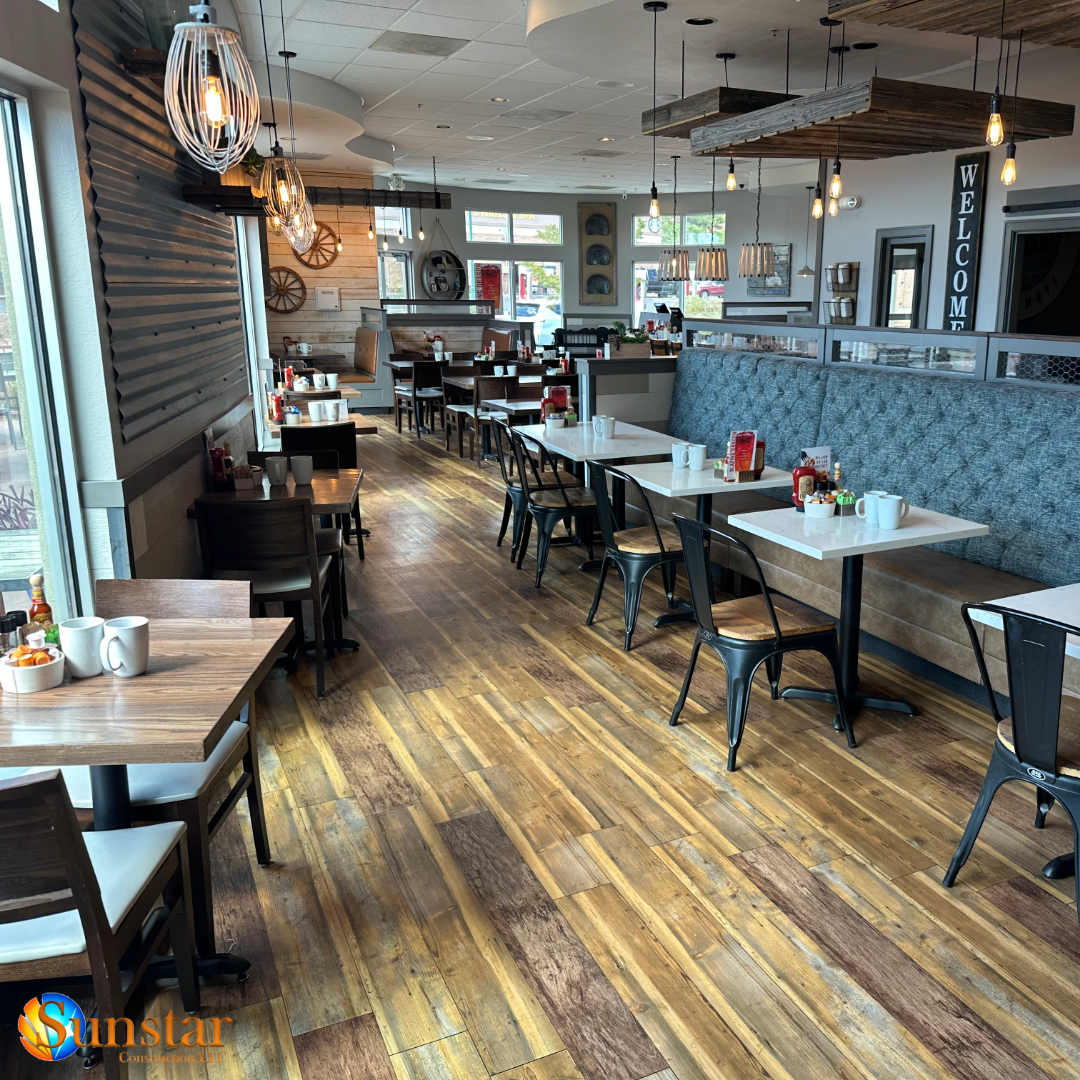
The floor is one of the first things a visitor notices when they walk into a mall. Old, worn-out flooring can make even a well-stocked mall feel tired and unwelcoming. Upgrading to modern materials like polished concrete, luxury vinyl tile, or large-format porcelain creates a clean and polished look that immediately sets a positive tone.
Beyond looks, better flooring also improves the experience of walking through the space. Smooth transitions between areas, non-slip surfaces, and materials that are easier on the feet all contribute to how long a shopper is willing to stay. When people are comfortable, they tend to linger longer, and that translates into more visits to more stores.
Lighting That Sets the Mood
Good lighting does more than just illuminate a space. It shapes how people feel when they are inside a building. Malls that rely on outdated fluorescent fixtures often feel cold and uninviting, while spaces with layered lighting, including ambient, accent, and task lighting, feel more alive and dynamic.
Modern LED systems allow for a wide range of lighting styles that can be customized by zone. Common areas benefit from warmer, softer tones that encourage relaxation and exploration, while storefronts can use brighter, focused lighting to highlight merchandise. Accent lighting near architectural features also adds a sense of polish that shoppers associate with higher-quality destinations. This kind of upgrade is also energy-efficient, which makes it a smart long-term investment for property owners.
Layout Improvements That Guide the Flow
A confusing or cluttered layout is one of the biggest reasons shoppers leave a mall feeling frustrated. When people cannot easily find what they are looking for, or when the flow of the space feels chaotic, they are less likely to return. Thoughtful layout renovations fix these problems by creating clear pathways, logical groupings of stores, and well-placed rest areas.
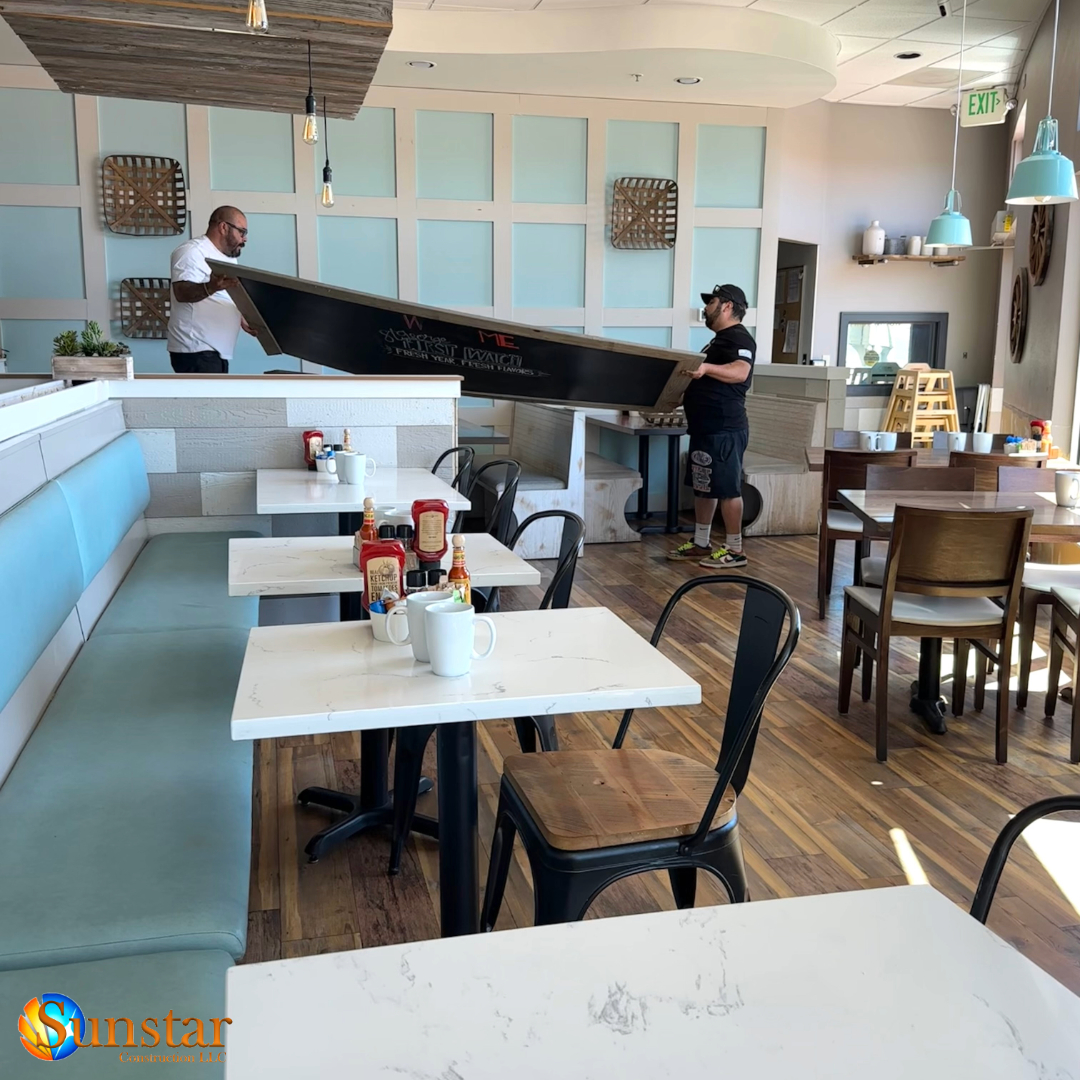
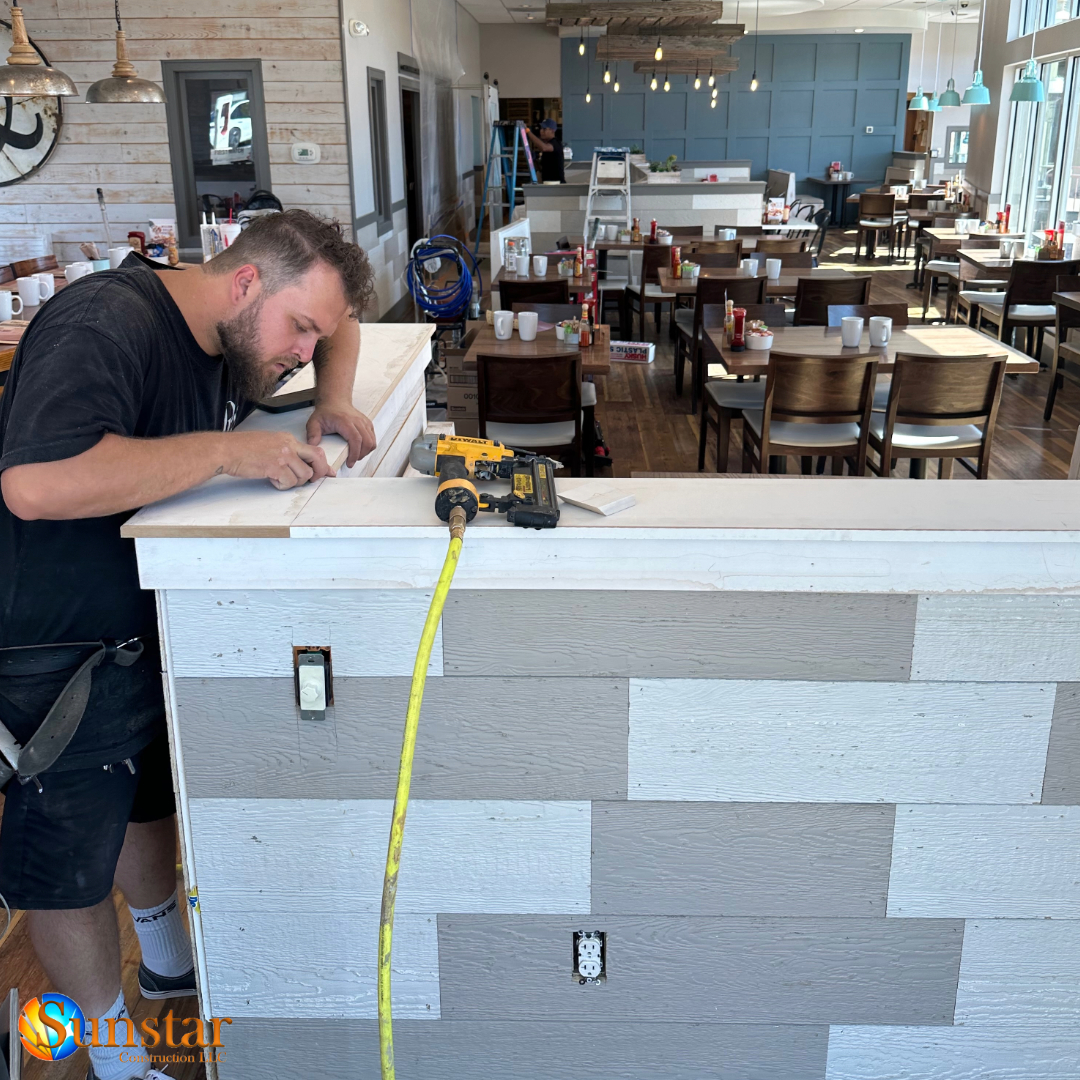
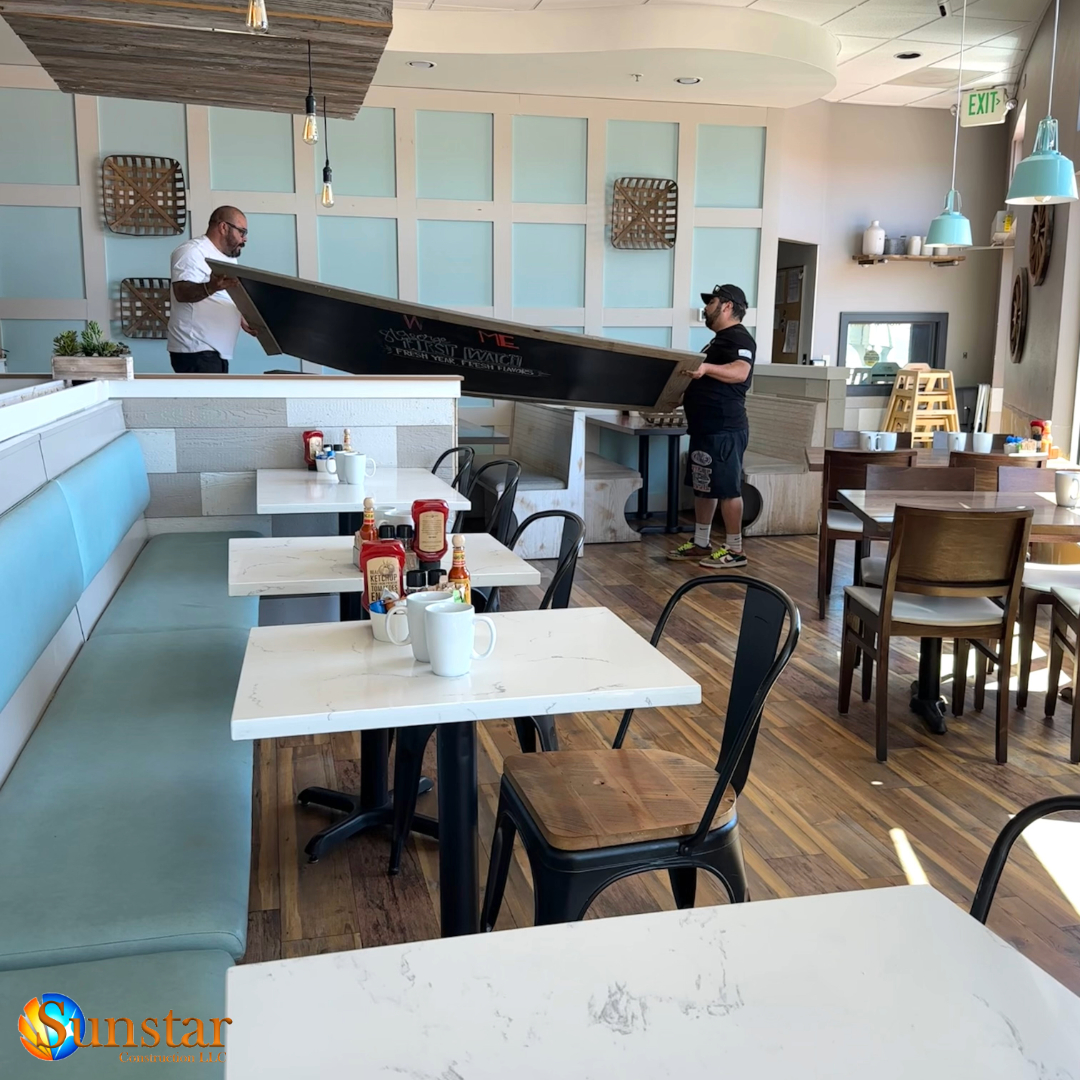
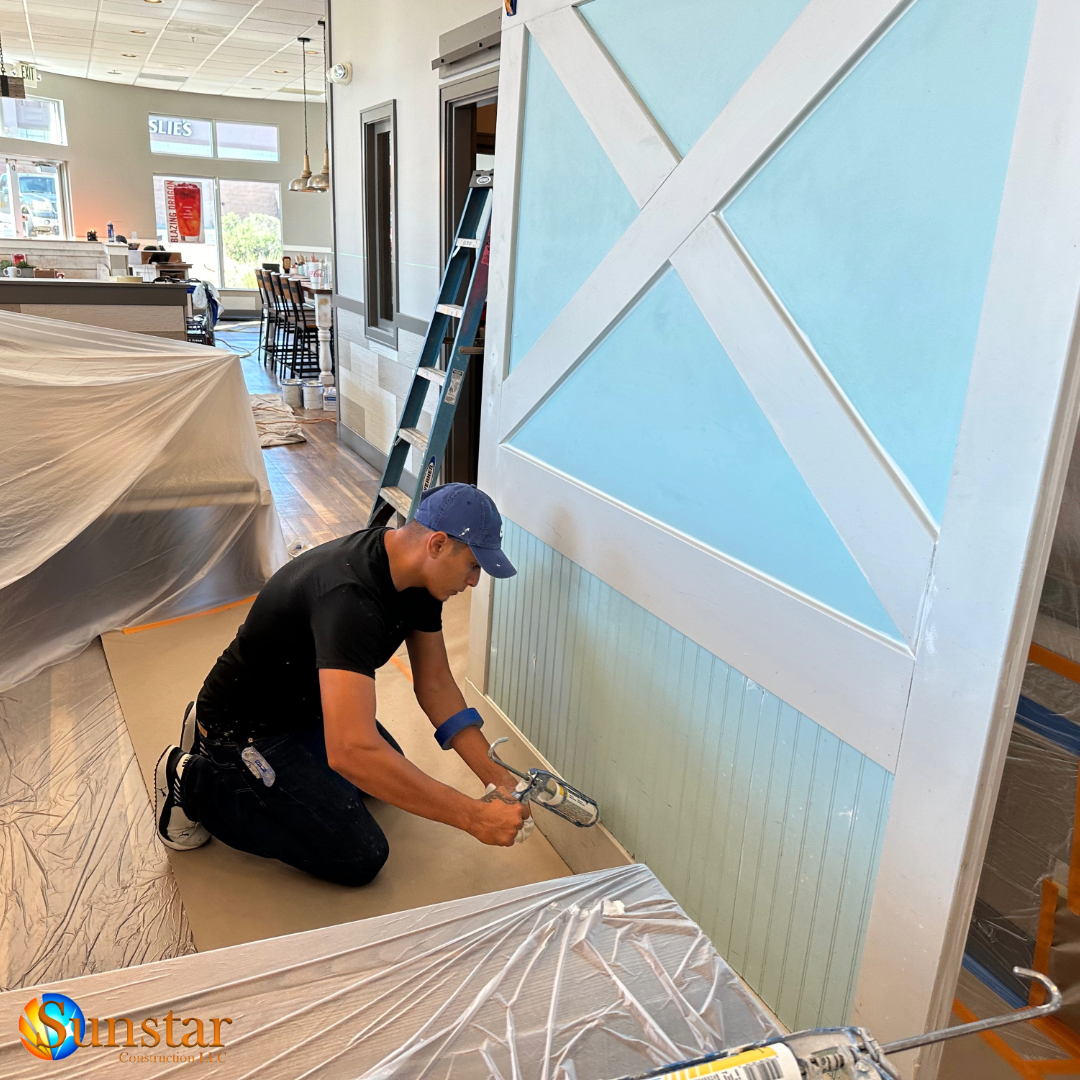
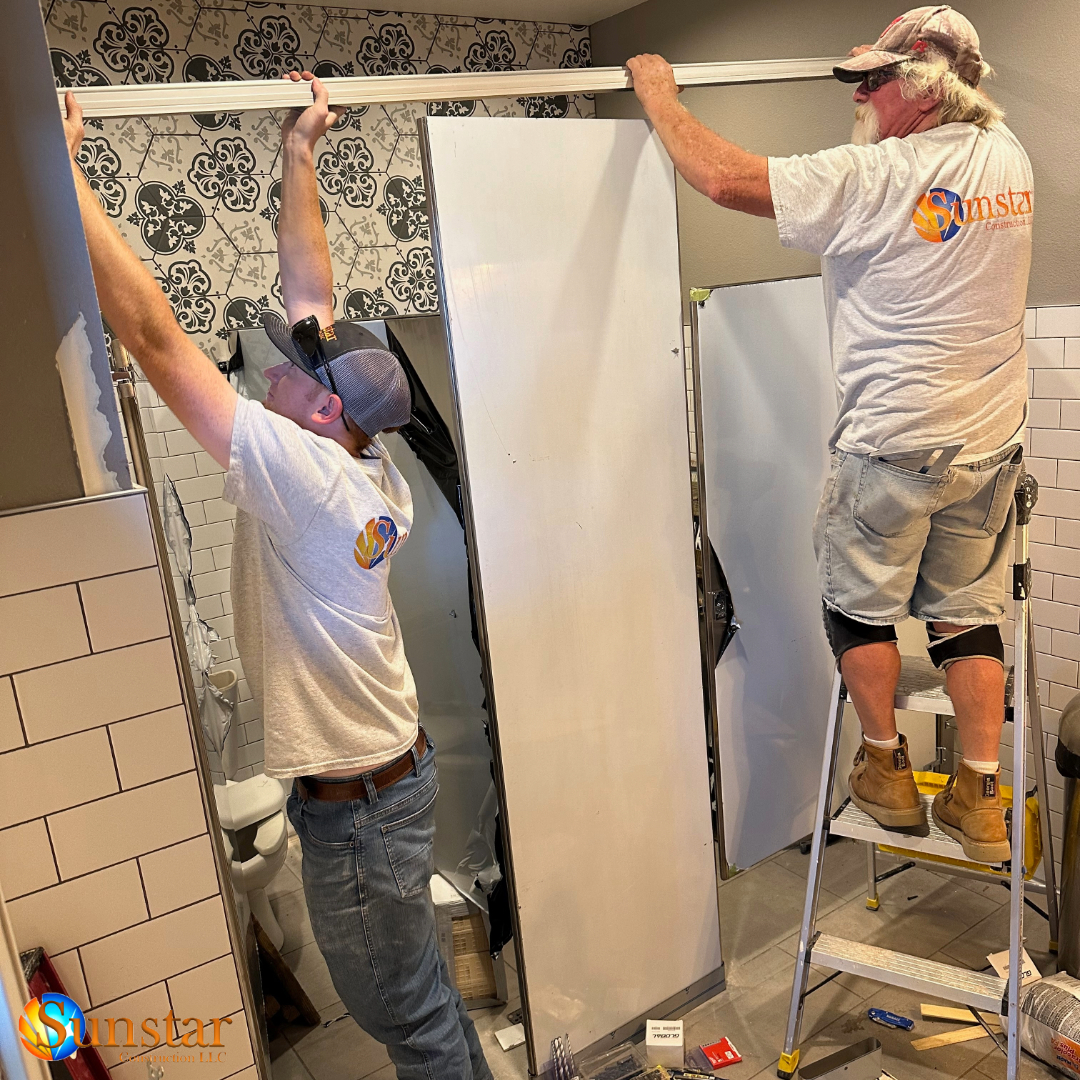
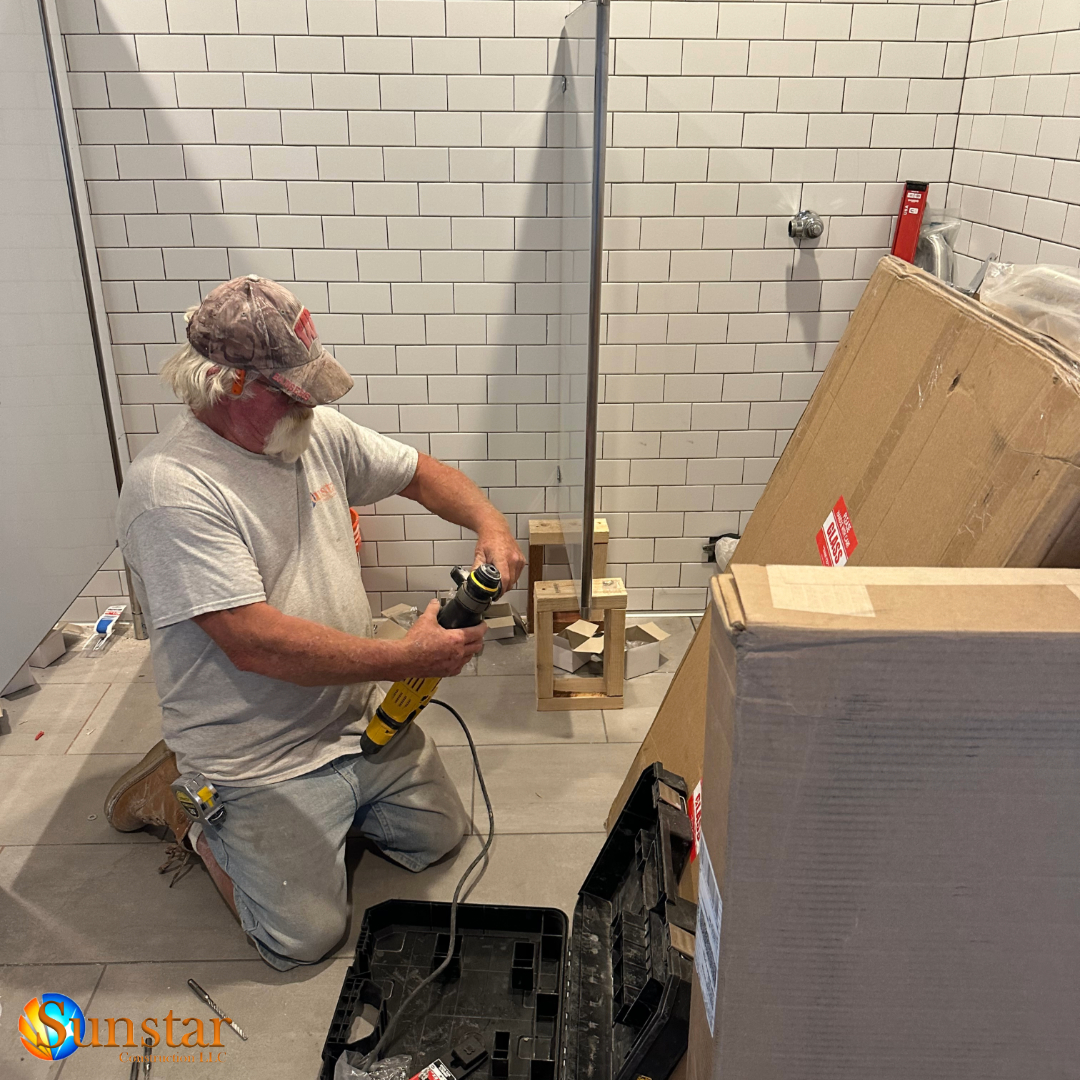
Commercial demolition and remodeling often play a central role in this type of renovation. Removing outdated walls, reconfiguring tenant spaces, and opening up central corridors can completely transform how a mall functions. A more open layout invites exploration and naturally draws visitors deeper into the property, which is great news for tenants in less-trafficked areas.
Common Areas That Invite People to Stay
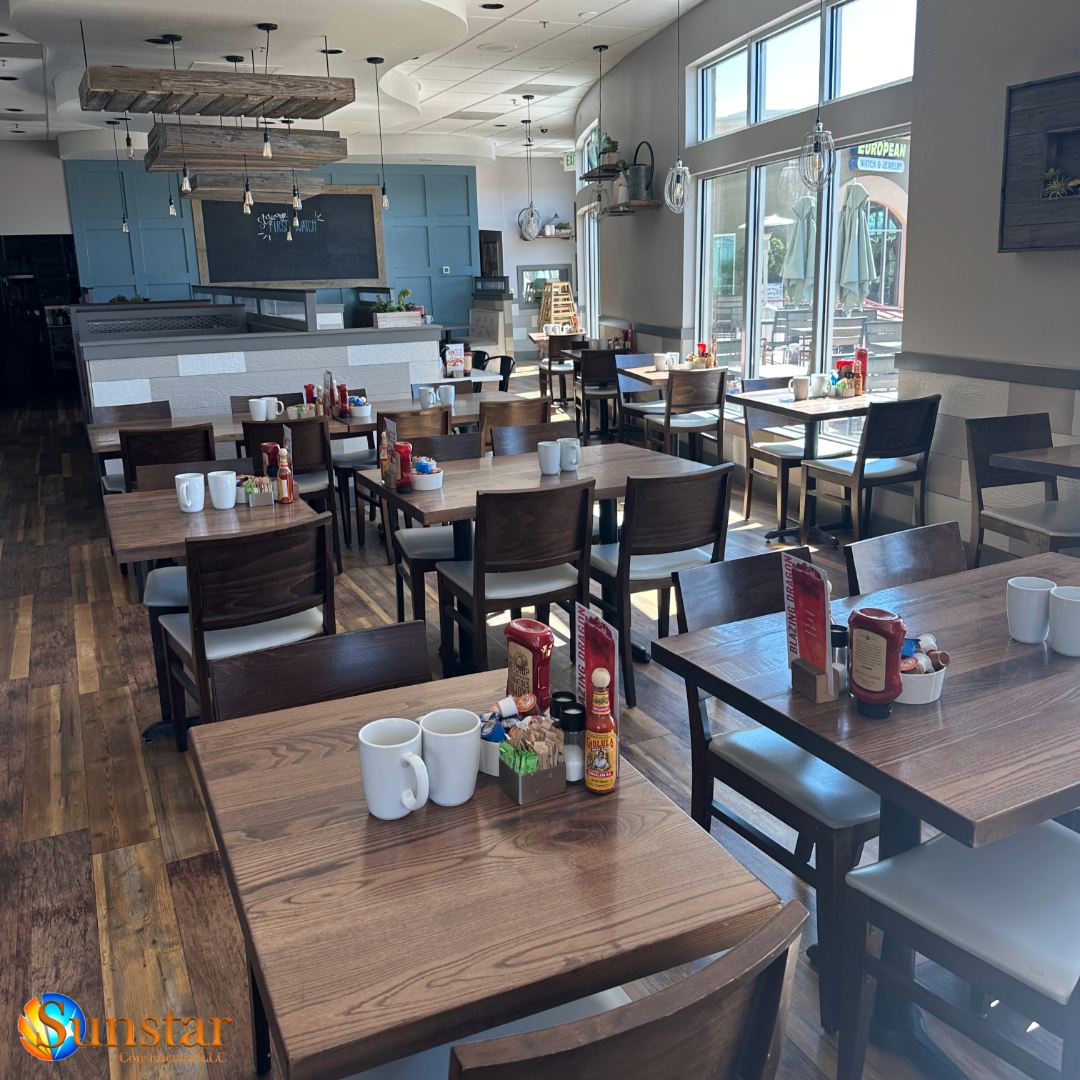
Today’s shoppers are not just looking for a place to buy things. They want an experience. Malls that invest in comfortable seating areas, indoor gardens, interactive displays, or even small performance spaces give people a reason to visit even when they are not planning to shop.
These kinds of upgrades turn a mall into a destination rather than just a stop. Families come to spend the afternoon. Friends meet up for coffee and end up browsing stores. The more reasons people have to visit, the more often they will. Updating food courts, lounges, and gathering spots is one of the most rewarding renovations a mall can make.
Exterior and Entrance Upgrades That Draw Attention
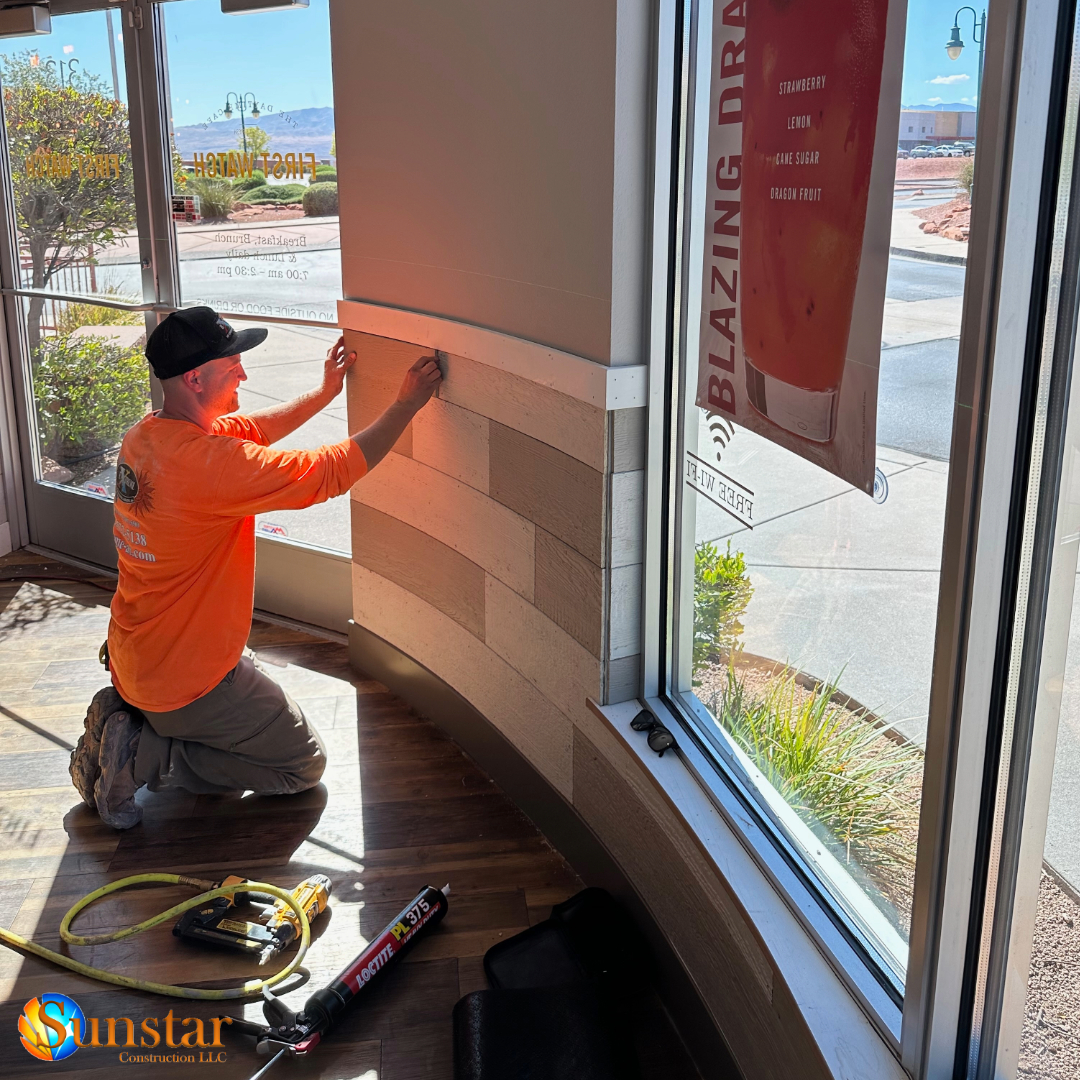
A mall’s exterior is its first impression for anyone passing by or arriving for the first time. Faded signage, cracked pavement, and outdated building facades can discourage people before they even walk inside. Refreshing the entrance with modern cladding, updated signage, better canopies, and improved parking lot lighting makes the property more visible and more inviting.
A strong entrance also creates a sense of arrival that builds excitement. When people feel like they are entering somewhere special, their attitude toward the entire experience shifts. Simple upgrades like better landscaping and cleaner pathways can also make a big difference in how the property is perceived.
Shopping mall renovations are about more than just changing how a building looks. They are about creating a space where people genuinely want to spend time, and where businesses can thrive. From flooring and lighting to layout and common areas, every upgrade works together to build a better experience from the ground up. Contact our team today to learn how we can help bring your retail property to life.
Frequently Asked Questions
How long does a typical mall renovation take?
The timeline depends on the size of the project and which areas are being updated. Smaller upgrades like lighting or flooring in a specific zone can be completed in a matter of weeks, while larger structural changes may take several months. A good contractor will work with property managers to minimize disruption to tenants and shoppers during the process.
Do tenants need to close during a renovation?
Not necessarily. Many renovation projects are phased so that different sections of the mall are worked on at different times. This approach allows stores to stay open and continue serving customers while improvements are being made in other areas.
What permits are needed for mall renovations?
Permit requirements vary depending on the location and the scope of the work. Structural changes, electrical upgrades, and plumbing modifications typically require permits from local building authorities. A licensed contractor will handle the permitting process and ensure all work meets code requirements.
Is it worth renovating an older mall property?
Absolutely. Older properties often have strong bones and great locations that just need a modern update. A well-executed renovation can significantly improve the appeal of a property, attract new tenants, and bring in a wider range of shoppers. Many successful malls today are the result of thoughtful renovation rather than brand-new construction.
How do renovations affect property value?
Renovations generally have a positive impact on property value, especially when they improve the overall experience for tenants and visitors. Updated spaces attract higher-quality tenants, which in turn supports better lease terms and higher occupancy rates over time.