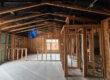

Embarking on a whole-house renovation is one of the most significant investments you’ll make in your home. Unlike single-room updates or minor cosmetic changes, a comprehensive interior and exterior remodel transforms every aspect of your living space. While the process can feel overwhelming, proper planning and a strategic approach will help you create the home of your dreams while minimizing stress and unexpected costs.
Understanding the Scope of a Whole-House Renovation
A whole-house renovation goes far beyond paint and new fixtures. It’s a complete reimagining of how your home looks, functions, and feels. On the exterior, this might include new siding, roofing, windows, doors, landscaping, and outdoor living spaces. Inside, you’re looking at everything from structural changes and updated systems to new flooring, cabinetry, lighting, and finishes throughout every room.
The beauty of tackling everything at once is the opportunity to create a cohesive design vision that flows seamlessly from the outside in. Your exterior aesthetic can complement your interior style, creating a unified look that feels intentional and well-planned rather than pieced together over time.
Creating Your Vision and Setting Priorities
Before demolition begins or a single paint color is selected, you need a clear vision for your renovated home. Start by identifying what’s driving this renovation. Are you updating an outdated home to match modern living standards? Preparing to age in place with accessibility modifications? Creating more space for a growing family? Or simply ready to transform a house you’ve never quite loved into your dream home?
Walk through your current home with fresh eyes, noting what works and what doesn’t. Consider traffic flow, natural light, storage needs, and how you actually use each space. Look at the exterior and think about curb appeal, maintenance requirements, and how your home fits into the neighborhood context.
Create inspiration boards for different areas of your home. This helps you identify patterns in what you’re drawn to and ensures your vision is consistent throughout the project. Share these with your renovation team so everyone is working toward the same goal.
Establishing a Realistic Budget
Whole-house renovations require substantial financial investment, and one of the biggest mistakes homeowners make is underestimating costs. A realistic budget accounts for materials, labor, permits, design fees, temporary housing if needed, and a contingency fund for unexpected issues that arise during construction.
Industry professionals typically recommend setting aside at least fifteen to twenty percent of your total budget for contingencies. Older homes especially can hide surprises like outdated wiring, plumbing issues, or structural concerns that only become apparent once walls are opened.
Consider where you want to splurge and where you’re willing to save. High-traffic areas and features you’ll use daily deserve more of your budget than spaces you rarely occupy. Quality materials in key areas like kitchens and bathrooms often provide better long-term value than cutting corners to save initially.
Sequencing Your Renovation Project
The order in which you tackle different aspects of your renovation matters tremendously. Generally, exterior work should be completed before or concurrently with interior projects when possible. There’s little point in installing beautiful new flooring if your roof is going to leak during the next rainstorm, or workers will be tracking through to access exterior walls.
Starting with structural and systems work creates a solid foundation for everything else. This includes addressing foundation issues, updating electrical and plumbing systems, replacing the roof, and upgrading HVAC systems. These aren’t glamorous updates, but they’re essential for a home that functions properly and safely.
Once systems and structure are sound, you can move to major interior changes like removing or adding walls, installing new windows and doors, and reconfiguring layouts. From there, progress to finishing work like drywall, flooring, cabinetry, and trim, with painting and final fixtures coming last.
Working with Professional Renovation Teams
A whole-house renovation isn’t a DIY weekend project. You’ll need experienced professionals who can manage the complexity of coordinating multiple trades, navigating building codes, solving unexpected problems, and keeping the project on schedule and budget.
Look for renovation professionals with extensive experience in comprehensive remodels, not just single-room updates. Check references, view completed projects, and ensure they’re properly licensed and insured. The right team will listen to your vision, offer expert guidance, provide transparent communication, and treat your home with respect throughout the process.
Establish clear communication protocols from the beginning. Regular progress meetings help address concerns before they become major issues and keep everyone aligned on timelines and expectations.
Navigating the Design Process
Design is where your vision becomes concrete plans. Whether you work with an architect, interior designer, or design-build firm, this phase translates your inspiration boards and wish lists into detailed drawings and specifications.
Good design balances aesthetics with functionality. Your dream bathroom remodeling might include a luxurious soaking tub, but if the space is tight, a well-designed walk-in shower might serve your daily needs better. Similarly, that open-concept great room looks stunning in magazines, but consider whether removing walls will compromise privacy or create HVAC challenges.
Think long-term during design. Trends come and go, but you’ll live with these decisions for years. Classic design elements with timeless appeal typically age better than trendy choices, though you can always incorporate current styles through easily changed elements like lighting fixtures, hardware, and accessories.
Managing Life During Renovation
Whole-house renovations disrupt your daily life significantly. Depending on the scope, you might need to move out entirely or live in a construction zone for months. Plan for this reality in advance.
If staying in your home during construction, establish a clean zone where your family can retreat from dust and noise. Communicate clearly with your contractor about work hours, access to bathrooms and kitchen facilities, and storage for your belongings. Set up a temporary kitchen if possible, and prepare for increased takeout meals and creative living arrangements.
The emotional toll of renovation is real. Seeing your home torn apart can be stressful, even when you know the end result will be worth it. Maintain perspective by focusing on your vision, celebrating milestones, and remembering that the disruption is temporary.
Final Inspections and Punch Lists
As your renovation nears completion, careful attention to finishing details ensures you get the quality you’ve paid for. Walk through with your contractor to create a punch list of items that need correction or completion. This might include touch-up painting, adjusting cabinet doors, fixing scratched flooring, or addressing any work that doesn’t meet specifications.
Don’t rush this process. It’s easier to have items corrected now than to chase down contractors after final payment. Ensure all systems are functioning properly, test everything, and verify that the work matches your approved plans and selections.
Ready to Transform Your Home?
A whole-house renovation represents a significant commitment, but the results can be truly life-changing. Imagine walking into a home that perfectly reflects your style, functions beautifully for your lifestyle, and fills you with pride every single day.
Our experienced renovation team specializes in comprehensive interior and exterior transformations that exceed expectations. We’ll guide you through every step of the process, from initial vision to final walkthrough, ensuring your renovation journey is as smooth and stress-free as possible. Contact us today for a consultation, and let’s start planning the home you’ve always wanted.
Frequently Asked Questions
How long does a whole-house renovation typically take?
The timeline varies significantly based on your home’s size, the renovation scope, and factors like permit processing and material availability. Most comprehensive renovations take several months to over a year. Your contractor can provide a more specific timeline based on your project details.
Should we move out during a whole-house renovation?
This depends on the scope of work and your tolerance for disruption. If major systems are being replaced or structural work is extensive, temporary relocation is often safer and less stressful. Discuss options with your contractor.
How do we prevent budget overruns?
Clear planning, detailed contracts, a substantial contingency fund, and avoiding mid-project changes help control costs. Work with experienced professionals who provide transparent pricing and communicate proactively about any potential additional expenses.
Can we make changes once the renovation has started?
While possible, changes during construction typically increase costs and extend timelines. Make major decisions during the planning phase. If changes are necessary, discuss budget and schedule implications before authorizing the work.
What permits are needed for a whole-house renovation?
Permit requirements vary by location and scope of work. Most comprehensive renovations require building permits, and you may need additional permits for electrical, plumbing, or structural work. Your contractor should handle obtaining necessary permits.