
Tenant Improvements That Boost Property Value
Tenant Improvements That Boost Property Value
Property ownership presents countless opportunities to enhance value, and tenant improvements rank among the most effective strategies available. Whether you manage commercial buildings, residential complexes, or mixed-use developments, the upgrades you implement can transform your property’s market position and financial performance. Understanding which improvements generate the greatest impact helps you make decisions that benefit both your investment and the people who occupy your spaces.
The connection between tenant satisfaction and property value shapes every aspect of successful real estate management. When tenants enjoy functional, attractive spaces that meet their needs, they stay longer, maintain the property better, and become advocates for your building. This positive momentum ultimately reflects in stronger valuations, easier leasing, and enhanced appeal to potential buyers. The following improvements represent proven approaches to elevating property value through strategic tenant-focused upgrades.
Enhanced Common Areas and Shared Spaces
Common areas serve as the introduction to your property, setting expectations before tenants even enter their individual spaces. Upgraded lobbies create welcoming atmospheres that communicate quality and care. Fresh paint, improved lighting, and comfortable seating arrangements transform ordinary entryways into impressive focal points that tenants feel proud to show visitors.
Revitalized common rooms offer gathering places that foster community and convenience. When these shared spaces receive thoughtful attention, they become amenities that distinguish your property from competitors. Exterior common areas deserve equal consideration, with landscaping enhancements, seating areas, and well-maintained grounds contributing to overall property aesthetics. These improvements create additional usable space that extends the living or working environment beyond interior walls, offering value that tenants genuinely appreciate.
Modern Technology Integration
Contemporary tenants expect properties to keep pace with technological advancement. Smart access systems, improved security features, and automated climate controls appeal to occupants who value convenience and efficiency. These technological improvements position properties as forward-thinking and aligned with modern living standards, creating competitive advantages in crowded markets.
Connectivity infrastructure has become essential rather than optional in today’s properties. Enhanced internet capabilities, distributed network access, and communication systems support how people live and work. Investing in robust technological foundations ensures your property remains relevant as tenant expectations continue to evolve. Energy efficiency systems also fall under this category, with sustainable building features attracting environmentally conscious tenants while reducing operational costs over time.
Flexible Space Configuration
The ability to accommodate diverse tenant needs increases property versatility and appeal. Spaces that can be reconfigured for different purposes, business models, or family structures maintain relevance across changing demographics. This flexibility ensures that your property attracts quality tenants regardless of market shifts or evolving preferences.
Open concept designs have gained prominence across both residential and commercial properties. Removing unnecessary barriers, maximizing sightlines, and creating flowing spaces enhance how tenants experience their environments. Strategic improvements that increase natural light penetration also transform how spaces feel and function. Larger windows, skylights, or glass partitions bring daylight deeper into buildings, creating brighter and more inviting environments that contribute significantly to tenant satisfaction.
Updated Fixtures and Finishes
Modern fixtures communicate that properties are well-maintained and current with market standards. Updated hardware, lighting fixtures, and finish materials refresh spaces without requiring complete renovations. These improvements demonstrate attention to detail and commitment to providing quality environments that tenants value. Cohesive design elements throughout properties create polished, professional appearances that elevate overall property perception.
Beyond aesthetics, updated fixtures often bring enhanced functionality. Improved plumbing fixtures, efficient appliances, and durable flooring materials serve tenant needs while reducing maintenance requirements. Working with experienced tenant improvement contractors ensures these updates are executed professionally and deliver the intended impact on property value, combining immediate appeal with long-term performance.
Enhanced Safety and Security Features
Tenant safety concerns rank among the highest priorities when evaluating properties. Enhanced lighting in common areas, improved entry security, and updated fire safety systems provide peace of mind that tenants deeply value. Properties that demonstrate commitment to occupant safety naturally attract and retain quality tenants who appreciate secure environments.
Visible security measures also contribute to property reputation and market positioning. When prospective tenants observe well-maintained safety features, they develop confidence in property management and feel assured about their decision to lease. Accessibility enhancements further expand appeal by accommodating diverse mobility needs. Ramps, accessible entrances, and barrier-free design elements demonstrate inclusive property management while meeting important regulatory considerations.
Climate Control and Air Quality Systems
Comfortable interior environments significantly influence tenant satisfaction and retention. Updated HVAC systems that provide consistent temperature control and fresh air circulation create pleasant spaces where people want to spend time. Modern climate control systems also operate more efficiently, reducing energy consumption while improving performance.
Air quality has gained increased attention in recent years, making ventilation improvements particularly valuable. Enhanced filtration systems, improved air exchange rates, and humidity control features contribute to healthier indoor environments. These improvements appeal to health-conscious tenants while demonstrating forward-thinking property management that prioritizes occupant wellbeing alongside operational efficiency.
Kitchen and Bathroom Renovations
Kitchens and bathrooms hold substantial influence over tenant decisions in both residential and commercial properties. Updated kitchen spaces with modern appliances, functional layouts, and attractive finishes create environments where tenants enjoy spending time. These improvements often deliver particularly strong returns in residential properties where kitchens serve as central gathering places.
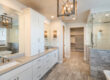
Bathroom renovations similarly impact tenant satisfaction and property appeal. Contemporary fixtures, improved lighting, efficient water systems, and updated tile or countertop materials transform functional spaces into comfortable retreats. Quality renovations in these high-use areas demonstrate property care while addressing spaces that tenants evaluate closely when making leasing decisions.
Storage and Organizational Solutions
Additional storage consistently ranks among tenant priorities across property types. Creative storage solutions, whether through built-in organizational systems, additional closet space, or dedicated storage areas, address practical needs that tenants face daily. Properties that provide adequate storage options stand out in competitive markets where space efficiency matters.
Organizational improvements extend beyond individual units to include shared storage facilities, mail centers, and package receiving areas. As delivery services become increasingly common, dedicated package management solutions add convenience that tenants genuinely appreciate. These practical improvements may seem modest compared to dramatic renovations, but they address real tenant needs and contribute meaningfully to overall satisfaction and property value.
Strategic tenant improvements represent powerful tools for enhancing property value and market competitiveness. By focusing on upgrades that improve functionality, aesthetics, and tenant satisfaction, property owners create environments that attract quality occupants and command stronger market positions. The key lies in selecting improvements that deliver both immediate appeal and lasting value while maintaining quality throughout implementation.
Our team provides complete design and build services across diverse property types, including high-rise properties, hotels, commercial buildings, apartments, shopping malls, and restaurants, bringing expertise to every improvement project. Contact our team today to discuss how strategic tenant improvements can transform your property’s value and appeal.
Frequently Asked Questions
What factors should guide tenant improvement priorities?
Tenant feedback, market conditions, and property age all influence which improvements deliver the greatest return. Properties competing in markets with newer buildings may need more extensive updates, while well-maintained properties might focus on targeted enhancements that address specific tenant requests or market trends.
How do tenant improvements differ between commercial and residential properties?
Commercial improvements often emphasize functionality, technology, and flexibility to accommodate business operations, while residential upgrades typically focus on comfort, aesthetics, and lifestyle amenities. Both property types benefit from improvements that enhance tenant experience, though specific priorities vary based on occupant needs.
How do tenant improvements affect property appraisals?
Professional appraisers consider improvement quality, market relevance, and condition when evaluating properties. Well-executed improvements that align with market expectations typically contribute positively to valuations, particularly when documentation demonstrates professional implementation and quality materials.